Description
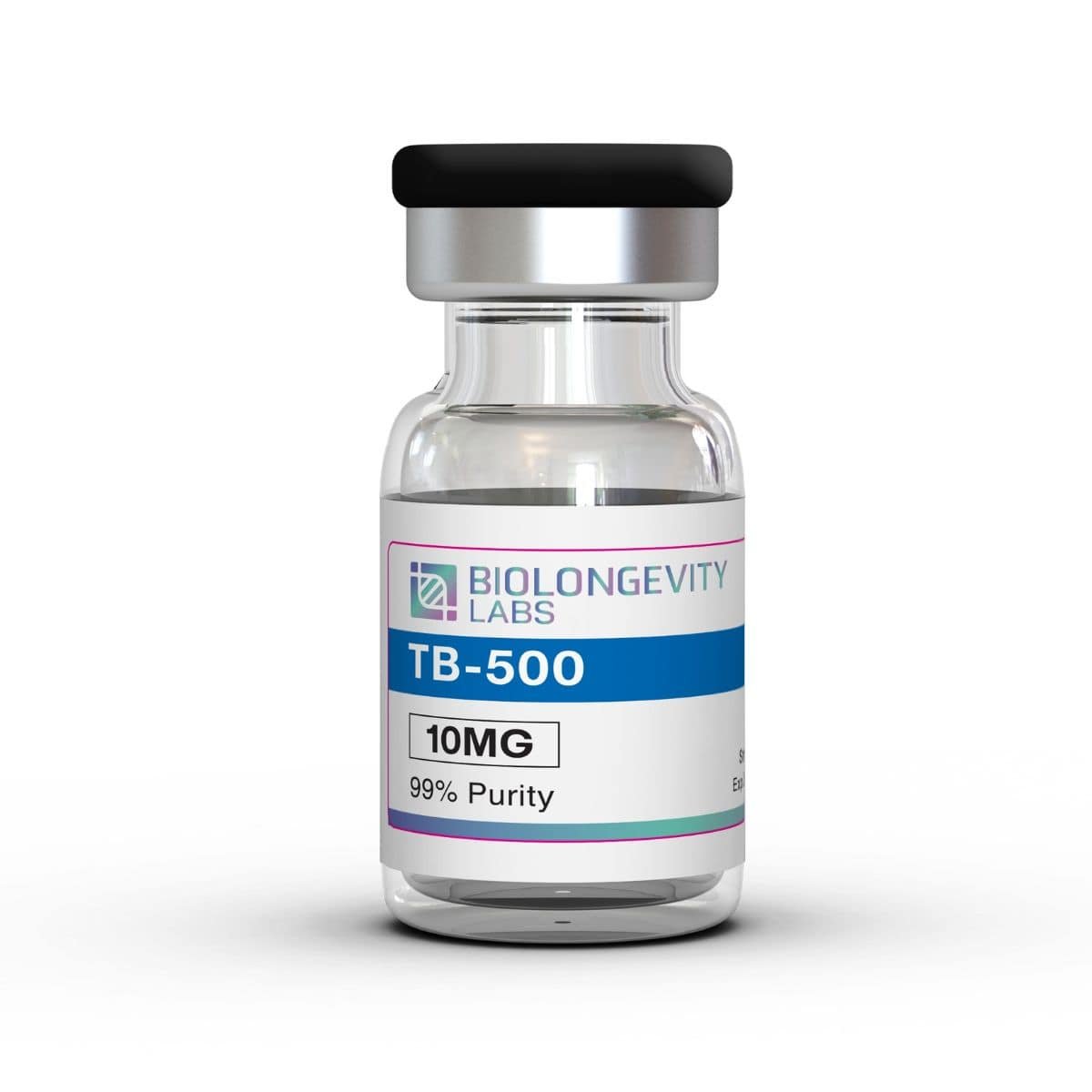
Premium TB-500 (Thymosin Beta-4) Research Peptide
TB-500 peptide is a synthetic version of Thymosin Beta-4 (Tβ4), a naturally occurring 43-amino acid peptide found throughout mammalian tissues. In laboratory research, TB-500 has become one of the most extensively studied peptides for investigating cellular migration, tissue regeneration, angiogenesis, inflammation, and actin-binding mechanisms.
Derived from the naturally occurring thymic protein, TB-500 contains the biologically active region responsible for regulating actin dynamics, allowing researchers to examine how cells migrate, repair damaged tissue, and respond to injury under controlled experimental conditions.
Due to its unique interaction with G-actin, TB-500 has been widely utilized in studies involving musculoskeletal tissue, cardiovascular biology, neurological regeneration, ocular research, wound healing, and connective tissue remodeling.
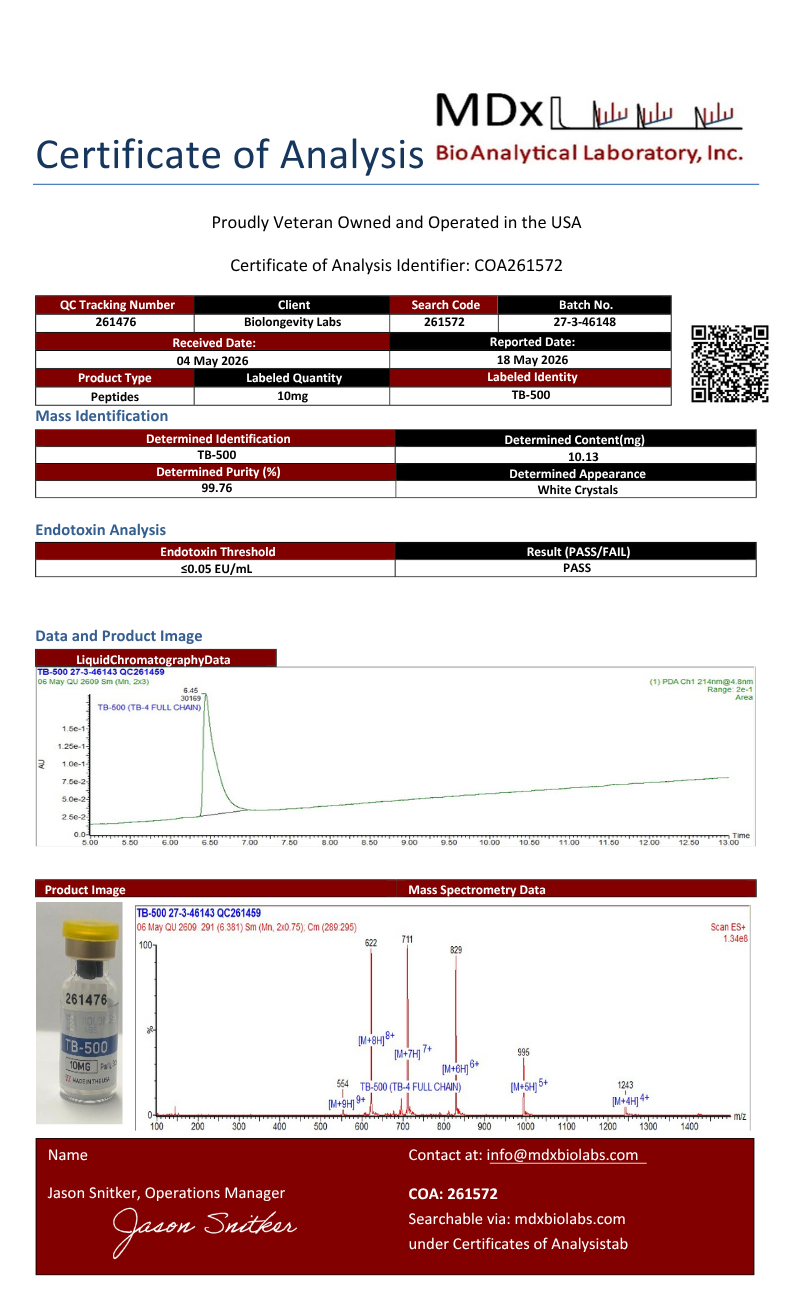
Our TB-500 peptide is manufactured through advanced solid-phase peptide synthesis (SPPS), lyophilized for maximum stability, and independently tested for purity and identity. Every batch includes a Certificate of Analysis (COA) and is intended exclusively for laboratory and scientific research.
TB-500 Peptide Effects
Preclinical and laboratory studies have investigated TB-500 for its potential involvement in numerous biological processes, including:
- Cellular migration and tissue remodeling
- Angiogenesis (formation of new blood vessels)
- Regulation of actin polymerization
- Collagen production and extracellular matrix remodeling
- Connective tissue regeneration
- Skeletal muscle repair mechanisms
- Tendon and ligament healing pathways
- Anti-inflammatory signaling
- Cardiac tissue regeneration
- Neuroprotective and neurological repair pathways
- Corneal and ocular tissue regeneration
- Hair follicle development
- Stem cell recruitment and differentiation
- Cellular survival and anti-apoptotic signaling
These observations remain the subject of ongoing laboratory investigation and have not been established for therapeutic use.
.
The TB-500 Peptide Specifications
| Property | Value |
|---|---|
| Peptide Name | TB-500 |
| Alternative Name | Thymosin Beta-4 |
| Peptide Sequence | Ac-Ser-Asp-Lys-Pro-Asp-Met-Ala-Glu-Ile-Glu-Lys-Phe-Asp-Lys-Ser-Lys-Leu-Lys-Lys-Thr-Glu-Thr-Gln-Glu-Lys-Asn-Pro-Leu-Pro-Ser-Lys-Glu-Thr-Ile-Glu-Gln-Glu-Lys-Gln-Ala-Gly-Glu-Ser |
| Molecular Formula | C212H350N56O78S |
| Molecular Weight | 4963 g/mol |
| CAS Number | 77591-33-4 |
| PubChem CID | 16132341 |
| Synonyms | Thymosin Beta-4, Tβ4, Timbetasin, Thymosin Beta-4 Acetate |
TB-500 Peptide Dosage
Research protocols have evaluated TB-500 across a range of experimental dosing schedules. The following information reflects commonly referenced research practices and is provided for informational purposes only. Appropriate study design should always be determined by qualified research professionals.
| Parameter | Research Reference |
|---|---|
| Typical Research Dose | 2-5 mg per administration |
| Route of Administration | Subcutaneous injection (research setting) |
| Loading Phase | 2-2.5 mg administered twice weekly for 4-6 weeks |
| Maintenance Phase | 2-5 mg every 2-4 weeks, depending on research protocol |
| Frequency | One to two administrations per week |
| Cycle Length | Common laboratory protocols range from 4-8 weeks |
| Dose Adjustment | Determined by research objectives and experimental design |
| Storage After Reconstitution | Refrigerated at 2-8°C and used according to laboratory handling procedures |
TB-500 Peptide Benefits
Preclinical and laboratory studies have identified several biological processes in which TB-500 (Thymosin Beta-4) may play an important role.
Potential Research Benefits
- May support tissue repair and regeneration by promoting cellular migration and remodeling.
- May stimulate angiogenesis (formation of new blood vessels), supporting studies involving tissue vascularization.
- May regulate actin dynamics, an essential process involved in cell movement, structure, and repair.
- May enhance collagen deposition and extracellular matrix remodeling in experimental tissue models.
- May support tendon, ligament, muscle, and connective tissue regeneration in preclinical research.
- May help regulate inflammatory pathways through modulation of cytokines and inflammatory signaling molecules.
- May reduce oxidative stress by influencing cellular antioxidant responses in laboratory models.
- May promote cardiac tissue repair and improve cardiomyocyte survival following experimental injury.
- May support neurogenesis and nerve regeneration through effects on neuronal migration and cellular repair pathways.
- May accelerate corneal and ocular tissue healing in experimental ophthalmic studies.
- May encourage hair follicle development and hair shaft formation in preclinical research.
- May reduce apoptosis (programmed cell death) while supporting cellular survival during tissue regeneration.
- May activate stem cell recruitment and differentiation involved in regenerative processes.
- May promote wound closure through increased fibroblast activity and re-epithelialization.
- May support blood vessel remodeling by regulating VEGF, Ang2, Tie2, Notch, and NF-κB signaling pathways.
- May improve recovery of ischemic tissues in cardiovascular and peripheral vascular research models.
- May serve as a valuable research tool for investigating regenerative medicine and tissue engineering applications.