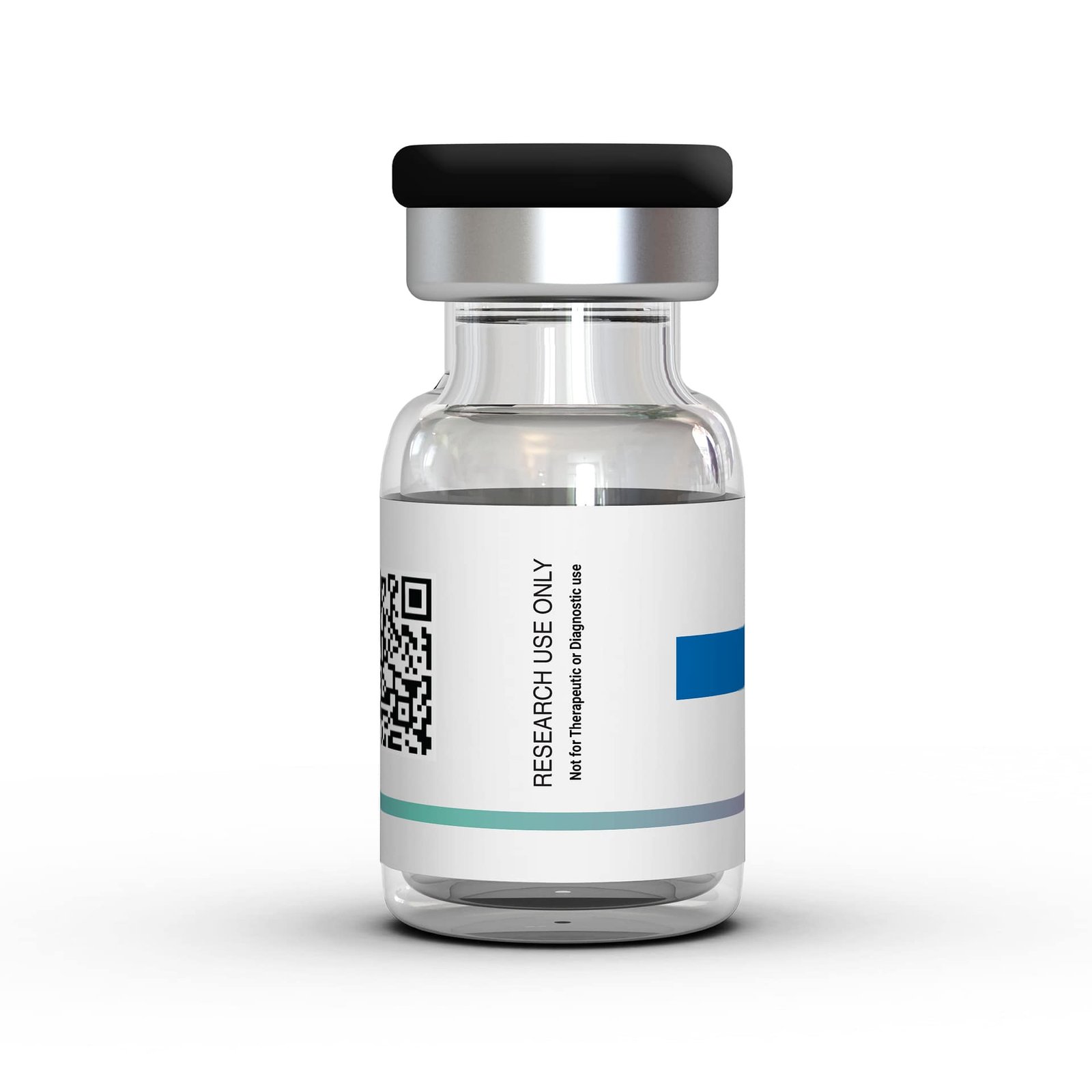
Description
Pancragen Peptide Product Description
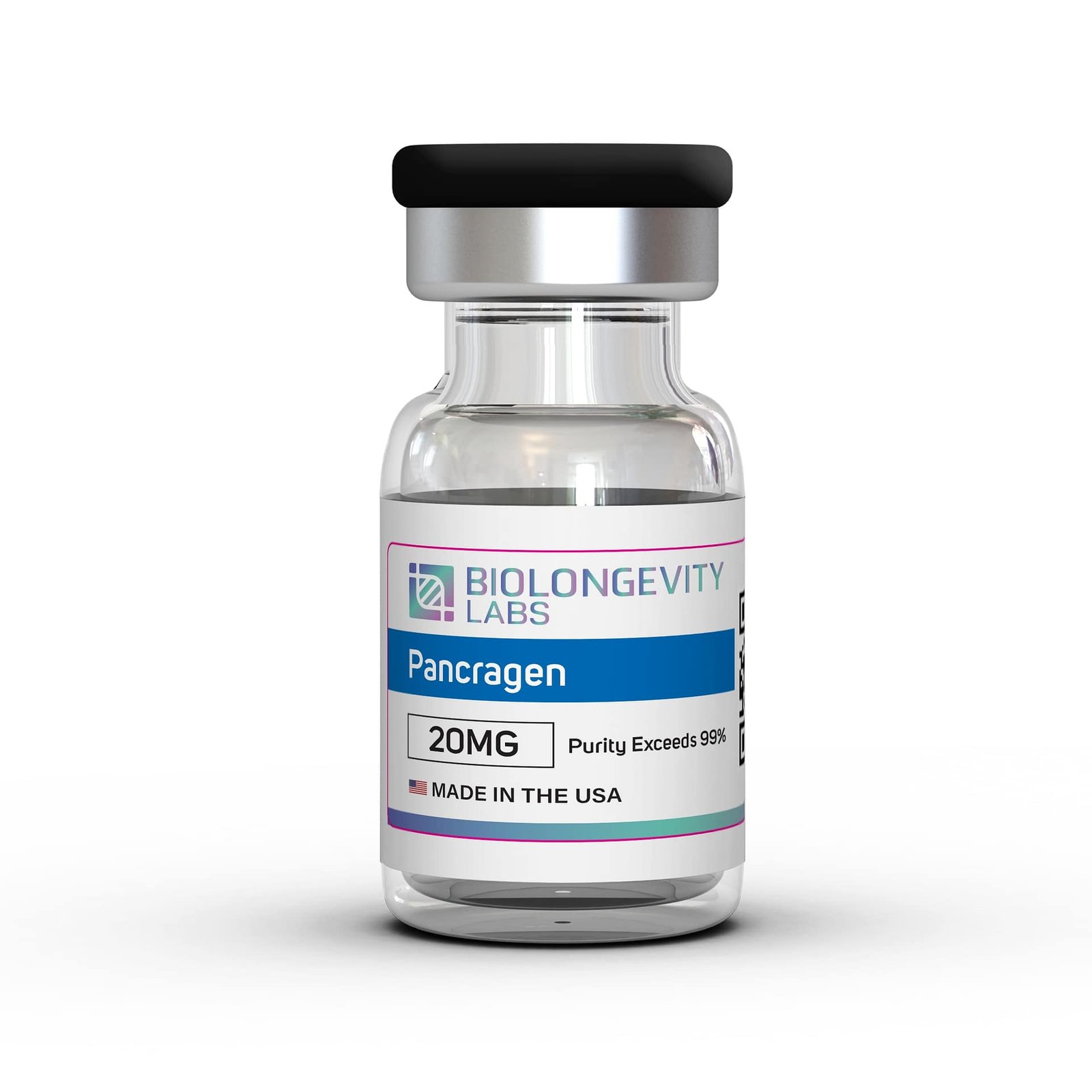
Pancragen peptide is a synthetic tetrapeptide bioregulator composed of the amino acid sequence Lys-Glu-Asp-Trp (KEDW). Originally developed from research into pancreatic cell peptides, Pancragen has become a subject of interest for laboratory investigations involving pancreatic function, glucose metabolism, cellular differentiation, and age-related metabolic processes.
Research suggests Pancragen may penetrate cellular membranes and interact directly with DNA, where it appears to influence gene transcription associated with pancreatic development and function. Laboratory investigations have explored its potential role in regulating pancreatic endocrine activity, supporting pancreatic cell differentiation, and studying mechanisms involved in insulin signaling and cellular aging.
This product is intended strictly for laboratory research and scientific investigation. It is not intended for human or veterinary use.
Potential Research Benefits of Pancragen Peptide
Current laboratory studies suggest Pancragen may be valuable for investigating:
- Pancreatic cell differentiation and regeneration
- Glucose metabolism and insulin signaling pathways
- Endocrine pancreatic function
- Gene expression and epigenetic regulation
- Cellular aging and longevity research
- Stem cell differentiation toward pancreatic lineages
- Oxidative stress and cellular protection
- Metabolic syndrome research
- Endothelial function during hyperglycemia
- DNA-peptide interaction mechanisms
Potential Research Effects of Pancragen Peptide
Experimental studies indicate Pancragen may influence several biological pathways, including:
Pancreatic Function
Research suggests Pancragen may increase expression of important pancreatic transcription factors including PDX1, NGN3, PAX6, FOXA2, NKX2.2, NKX6.1, and PAX4, proteins that play critical roles in pancreatic development and endocrine cell maturation.
Glucose Metabolism
Laboratory investigations have examined Pancragen for its potential effects on:
- Glucose utilization
- Insulin sensitivity
- Insulin resistance pathways
- Blood glucose regulation
- Endocrine pancreatic activity
Gene Expression
Unlike many receptor-binding peptides, Pancragen appears capable of interacting directly with DNA and may regulate gene transcription involved in pancreatic cell development and metabolic function.
Cellular Protection
Research models suggest the peptide may influence:
- Oxidative stress responses
- Cellular survival pathways
- Apoptosis-related proteins
- Anti-inflammatory signaling
- Cellular repair mechanisms
Cellular Aging Research
Studies have explored Pancragen’s potential influence on biomarkers associated with cellular aging, including:
- Caspase-3
- Cathepsin B
- TNF-α
- IGF-I
- DNA methylation patterns
Pancragen Peptide Dosage (Research Protocol)
Research Use Only
Published experimental protocols commonly investigate:
- 500 mcg once daily
- 10-day research cycle
- Typically administered in laboratory settings using subcutaneous research protocols
Dosage protocols vary depending on the specific research model and experimental objectives. Pancragen is intended exclusively for qualified laboratory research.
Pancragen Peptide Specifications
| Property | Value |
|---|---|
| Peptide Sequence | Lys-Glu-Asp-Trp (KEDW) |
| Molecular Formula | C26H36N6O9 |
| Molecular Weight | 576.25 g/mol |
| Synonyms | KEDW Peptide, Pancragen, Pancreatic Tetrapeptide |
| Appearance | Lyophilized Powder |
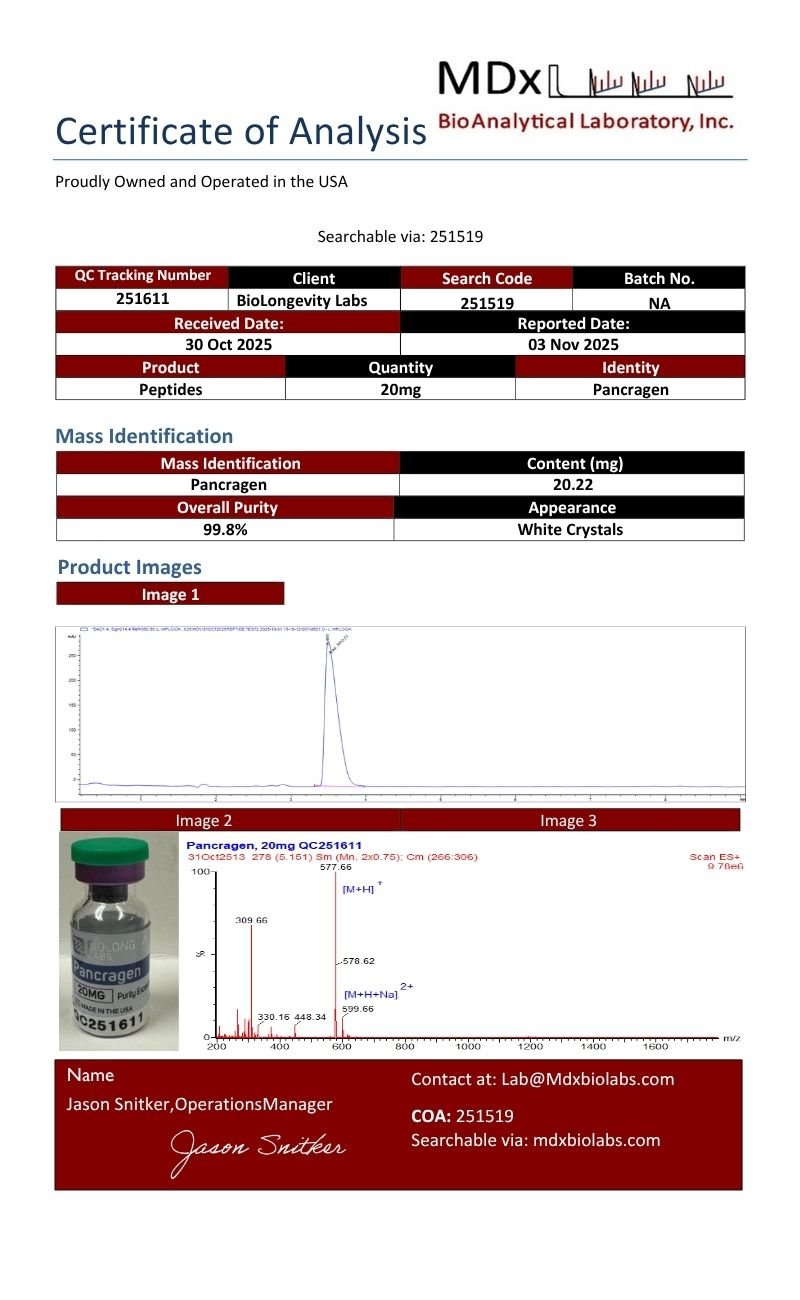
| Purity | ≥99% (HPLC Tested) |
| Research Category | Peptide Bioregulator |
Why Choose Our Pancragen Peptide?
Our research-grade Pancragen peptide is manufactured under strict quality standards to ensure consistency and purity for laboratory applications.
Every batch undergoes:
- HPLC purity testing
- Mass spectrometry verification
- Sterility testing
- Identity confirmation
- Quality control analysis
Designed for researchers investigating pancreatic biology, endocrine signaling, metabolic regulation, and peptide bioregulators.