Description
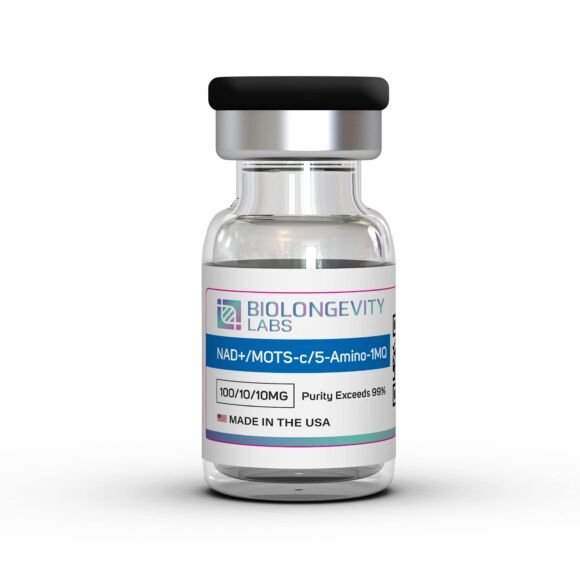
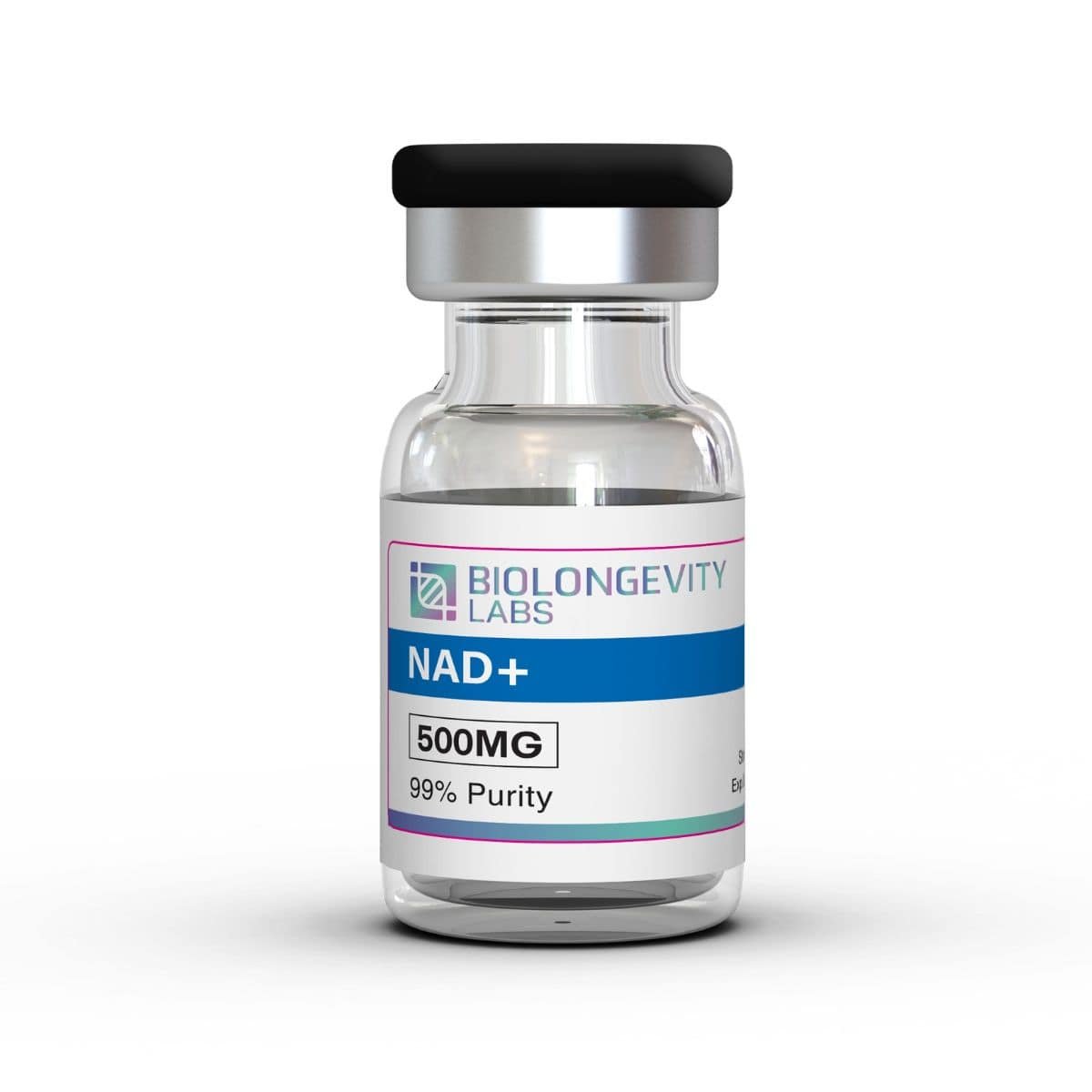
NAD+ Peptide Product Description
NAD+ (Nicotinamide Adenine Dinucleotide) is a naturally occurring coenzyme found in every living cell and is essential for cellular energy production, metabolic function, and DNA repair. As a critical component of hundreds of enzymatic reactions, NAD+ supports mitochondrial function, healthy aging research, and cellular resilience. Because intracellular NAD+ levels naturally decline with age, this molecule has become a major focus of longevity, metabolic, and regenerative medicine research.
NAD+ functions as a cofactor for important enzyme families, including sirtuins (SIRT1-7), PARPs (Poly ADP-ribose Polymerases), and CD38 enzymes, which regulate cellular metabolism, oxidative stress, DNA repair, inflammation, and mitochondrial health. By supporting these biological pathways, NAD+ continues to be extensively investigated for its potential role in maintaining cellular homeostasis and improving tissue function.
NAD+ Peptide Information
| Property | Value |
|---|---|
| Presentation | Vial |
| Molecular Formula | C21H27N7O14P2 |
| Molecular Weight | 663.43 g/mol |
| CAS Number | 53-84-9 |
| PubChem CID | 925 |
| Synonyms | Nicotinamide Adenine Dinucleotide, β-NAD+, Endopride, Diphosphopyridine Nucleotide |
NAD+ Peptide Benefits
Current preclinical and clinical research suggests NAD+ may support:
- Promotes healthy cellular energy production through ATP synthesis
- Supports mitochondrial function and metabolic efficiency
- May enhance DNA repair mechanisms following cellular stress
- Helps activate longevity-associated sirtuin pathways
- Supports healthy aging and cellular resilience
- May improve glucose metabolism and insulin sensitivity
- Supports cognitive performance and neurological health
- May reduce oxidative stress and improve antioxidant defenses
- Promotes cardiovascular and vascular health
- Supports liver and kidney cellular function
- May improve muscle performance and recovery
- Supports normal inflammatory responses
- Assists healthy cellular metabolism and redox balance
NAD+ Peptide Effects
Research has demonstrated that NAD+ may contribute to:
- Increased cellular ATP production
- Improved mitochondrial respiration
- Enhanced DNA repair activity
- Activation of SIRT1 and related longevity pathways
- Better glucose homeostasis
- Reduced oxidative damage
- Improved neuronal function and survival
- Enhanced metabolic flexibility
- Increased cellular stress resistance
- Improved cardiovascular function in experimental models
- Support for healthy immune signaling
- Maintenance of overall cellular homeostasis
Research Applications
NAD+ continues to be investigated in studies involving:
- Healthy aging and longevity
- Mitochondrial dysfunction
- Neurodegenerative disorders
- Cognitive performance
- Metabolic syndrome
- Type 2 diabetes research
- Cardiovascular health
- DNA repair and genomic stability
- Exercise recovery
- Cellular bioenergetics
- Liver health
- Kidney protection
- Cancer metabolism research
- Oxidative stress
NAD+ Peptide Dosage
General Research Protocol
- 250–500 mg administered by intravenous (IV) infusion 1-3 times per week is commonly utilized in research settings.
- Lower doses of 100-250 mg may be used for introductory research protocols.
- Higher research protocols ranging from 500-1,000 mg per session have been investigated in certain experimental settings under professional supervision.
- Treatment duration commonly ranges from 4-8 weeks, depending on the objectives of the research protocol.
Storage
Store refrigerated at 2°C to 8°C (36°F to 46°F) and protect from direct light. Reconstituted solutions should be used according to established laboratory handling procedures.