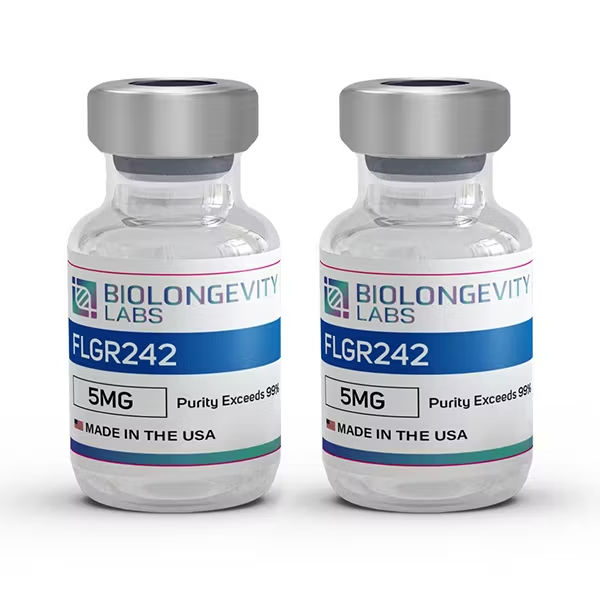
Description
Follistatin (FLGR242) is a modified fragment of Follistatin-344 (FST-344) engineered to avoid binding to the protein activin. Because activin has been associated with certain unwanted effects observed during myostatin inhibition in laboratory models, this modification enables researchers to investigate follistatin biology with greater specificity. The construct also incorporates a patented albumin-binding domain designed to enhance its research applications.
This recombinant follistatin protein is fused with an albumin-binding construct through a hydrophilic glycine-serine linker, allowing high-affinity interaction with serum albumin. This design provides researchers with a valuable tool for studying protein transport, albumin-mediated delivery, and follistatin-albumin interactions in controlled experimental systems.
Follistatin (FLGR242) has been investigated in research involving muscle development, myostatin and activin signaling, TGF-β superfamily pathways, and albumin-binding dynamics.
Benefits / Effects Of Follistatin Peptide
Supports Muscle Growth Research
Follistatin has been widely studied for its potential to promote muscle development by regulating myostatin and other pathways involved in skeletal muscle growth.
May Help Preserve Muscle Mass
Experimental studies suggest follistatin may support muscle maintenance and reduce muscle loss associated with aging or muscle-related disorders.
Promotes Muscle Cell Regeneration
Research indicates that follistatin may stimulate the formation and repair of muscle cells, making it a valuable tool for regenerative biology studies.
Regulates Myostatin Activity
Follistatin is known to bind and inhibit myostatin, a protein that naturally limits muscle growth, allowing researchers to investigate muscle development pathways.
Influences Activin Signaling
By interacting with activin proteins, follistatin helps researchers study the broader TGF-β signaling network involved in tissue growth, repair, and cellular differentiation.
Supports Hair Growth Research
Early clinical research has explored follistatin’s potential role in improving hair follicle density and hair thickness, making it of interest in hair biology studies.
Investigated for Reproductive Health
Follistatin has been studied for its involvement in ovarian follicle development, reproductive hormone regulation, and other aspects of male and female reproductive biology.
Supports Cellular Growth and Repair
Laboratory research suggests follistatin may influence cellular proliferation and tissue regeneration, particularly within skeletal muscle.
Advances Regenerative Medicine Research
Due to its effects on muscle regeneration and growth factor signaling, follistatin is being investigated as a research tool in regenerative medicine and tissue engineering.
Facilitates TGF-β Pathway Research
The Follistatin peptide serves as an important molecule for studying the transforming growth factor-beta (TGF-β) superfamily, helping researchers better understand cellular communication and tissue remodeling.
Follistatin Peptide Specifications
| Property | Value |
|---|---|
| Peptide Type | Follistatin-Albumin Binding Construct |
| Technology | Albumin-binding peptide fusion (GGSGGSGGSGGRLIEDICLPRWGCLWEDD linker) |
| Molecular Weight | ~40 kDa |
| Binding Affinity | <20 nM |
| Synonyms | FST-Albumin Construct, Extended Half-Life Follistatin |
Follistatin Peptide Dosage
The consensus dosing being described for Follistatin is:
- 100 mcg injected subcutaneously once daily
- Cycle length: 10–30 days
- Break period: 3–4 weeks before repeating another cycle if needed
- Upper range note: doses above 200 mcg per day are reported as not giving additional benefits