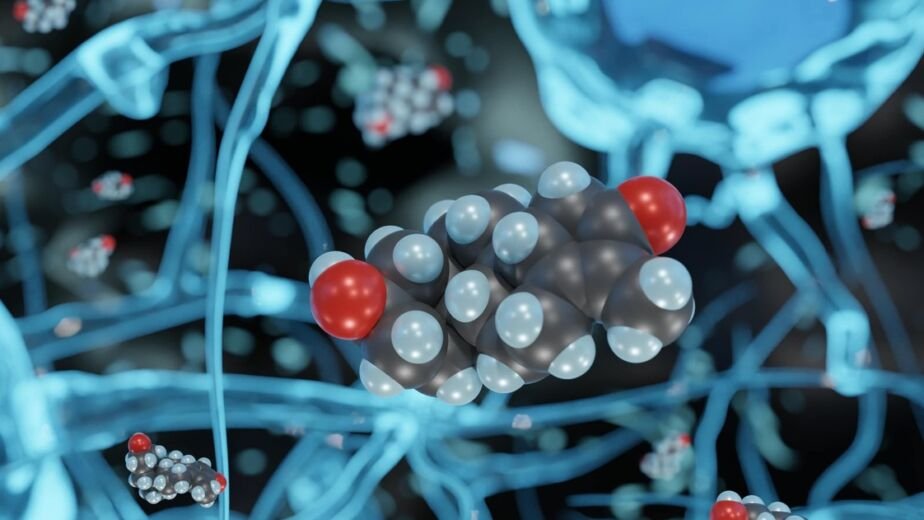
GHK-Cu is a copper-binding tripeptide complex formed when the naturally occurring peptide glycyl-L-histidyl-L-lysine (GHK) binds to a divalent copper ion (Cu²⁺). Researchers believe GHK is generated naturally during collagen turnover and may be released by fibroblasts, macrophages, and other cells following tissue remodeling or cellular stress.
Because of its unique structure, GHK-Cu has attracted significant interest in regenerative biology and cell signaling research. Investigators propose that the peptide may function as an extracellular signaling molecule involved in coordinating tissue remodeling, cellular communication, antioxidant responses, and extracellular matrix regulation. The copper component is also believed to support the activity of several copper-dependent enzymes, including lysyl oxidase and superoxide dismutase (SOD), while the chelated structure may help deliver copper in a biologically available form without the oxidative effects associated with free copper ions.
Research
GHK-Cu Peptide and Tissue Remodeling
Current research suggests that GHK-Cu may play an important role in extracellular matrix remodeling by influencing both tissue breakdown and tissue rebuilding processes. Rather than acting solely as a collagen-stimulating peptide, investigators propose that GHK-Cu helps regulate multiple components of matrix homeostasis, including collagen production, glycosaminoglycan synthesis, matrix metalloproteinases (MMPs), and tissue inhibitors of metalloproteinases (TIMPs).
Laboratory studies also indicate that GHK-Cu may enhance the activity of lysyl oxidase, a copper-dependent enzyme responsible for collagen cross-linking. Increased lysyl oxidase activity may contribute to stronger and more organized extracellular matrix formation during experimental tissue remodeling.
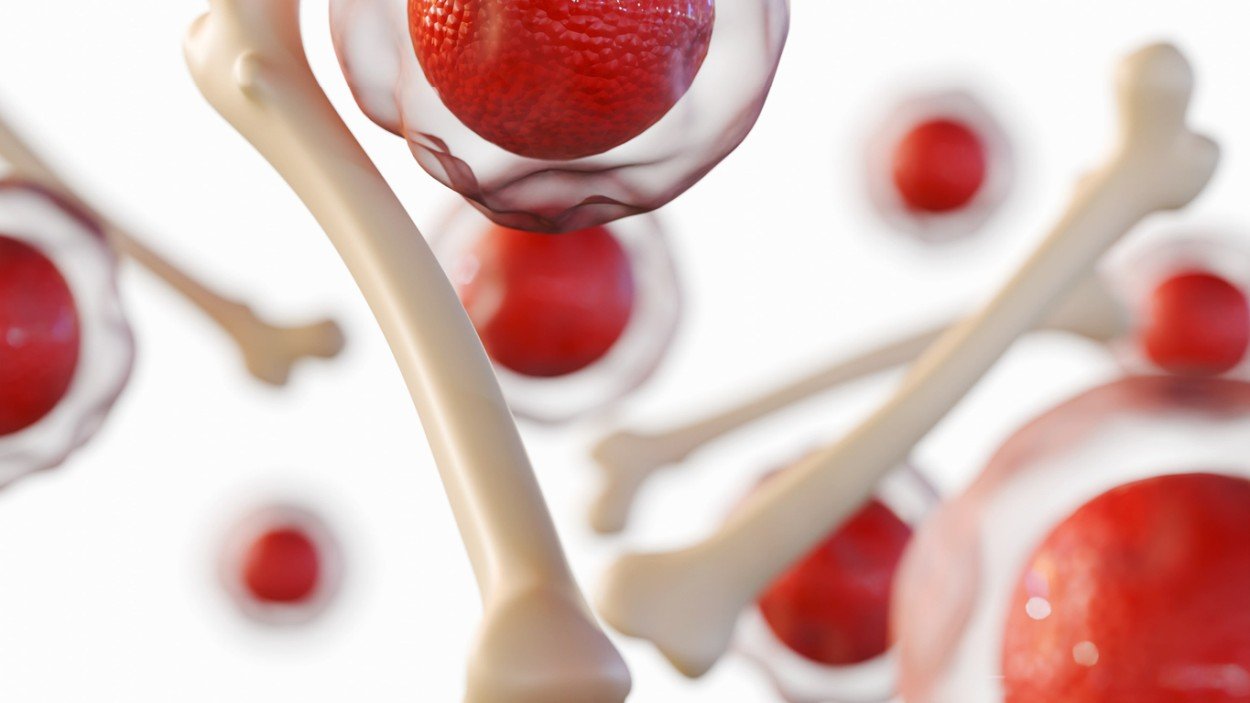
Additional investigations suggest GHK-Cu may influence angiogenic signaling, recruit repair-associated cells, and participate in bone and connective tissue remodeling, making it an important research tool for studies involving extracellular matrix biology.
GHK-Cu Peptide and Cellular Inflammatory Signaling
Researchers have extensively investigated GHK-Cu for its potential interactions with inflammatory signaling pathways. Experimental models suggest the peptide may reduce intracellular reactive oxygen species (ROS) while restoring antioxidant enzyme activity, particularly superoxide dismutase (SOD).
Several studies also report that GHK-Cu may influence major inflammatory signaling pathways, including:
- NF-κB signaling
- p38 MAPK pathway
- JNK signaling
- Cytokine production pathways
Experimental findings indicate reductions in inflammatory mediators such as TNF-α and IL-6 following GHK-Cu exposure, alongside improved antioxidant defenses through increased glutathione (GSH) activity.
These observations have positioned GHK-Cu as an important research compound for investigating the relationship between oxidative stress, inflammatory signaling, and cellular repair mechanisms.
GHK-Cu Peptide and Oxidative Stress Research
Oxidative stress remains a major focus in aging and regenerative biology. GHK-Cu has been investigated for several potential mechanisms that may support cellular redox balance.
One proposed mechanism involves its ability to transport copper safely to copper-dependent enzymes without releasing excessive free copper ions capable of generating oxidative damage.
Research further suggests GHK-Cu may:
- Support superoxide dismutase (SOD1) activity
- Increase endogenous antioxidant enzyme function
- Reduce lipid peroxidation
- Limit iron-mediated oxidative reactions
- Neutralize reactive aldehydes generated during oxidative stress
Collectively, these mechanisms continue to make GHK-Cu an important model compound for oxidative stress and cellular aging research.
GHK-Cu Peptide and Angiogenesis
Studies using endothelial cell models have examined GHK-Cu’s potential influence on vascular growth signaling.
Researchers report that GHK-Cu may increase the expression of vascular endothelial growth factor (VEGF) and fibroblast growth factor-2 (FGF-2), two signaling molecules involved in angiogenic research.
Additional experiments suggest GHK-Cu may promote cell-cycle progression by influencing regulatory proteins involved in cellular proliferation, including Cyclin D1 and CDK4. These findings continue to support investigations into GHK-Cu’s role in vascular biology, endothelial signaling, and tissue regeneration models.
GHK-Cu Peptide and Collagen Biology
Collagen synthesis represents one of the most extensively studied aspects of GHK-Cu research.
Experimental fibroblast studies suggest GHK-Cu may selectively enhance collagen production while having minimal effects on non-collagen protein synthesis. Researchers propose that this selectivity may distinguish GHK-Cu from compounds that broadly stimulate protein production.
Investigators also speculate that the naturally occurring GHK sequence released during collagen degradation may function as a localized signaling molecule that coordinates extracellular matrix remodeling following tissue disruption.
This combination of collagen regulation, copper transport, and extracellular signaling continues to make GHK-Cu a valuable research peptide across studies involving connective tissue biology, regenerative medicine, extracellular matrix remodeling, and cellular communication.
Note: GHK-Cu is supplied exclusively for laboratory research purposes. It is intended for in vitro and preclinical scientific investigation only and is not approved for human or veterinary use.