
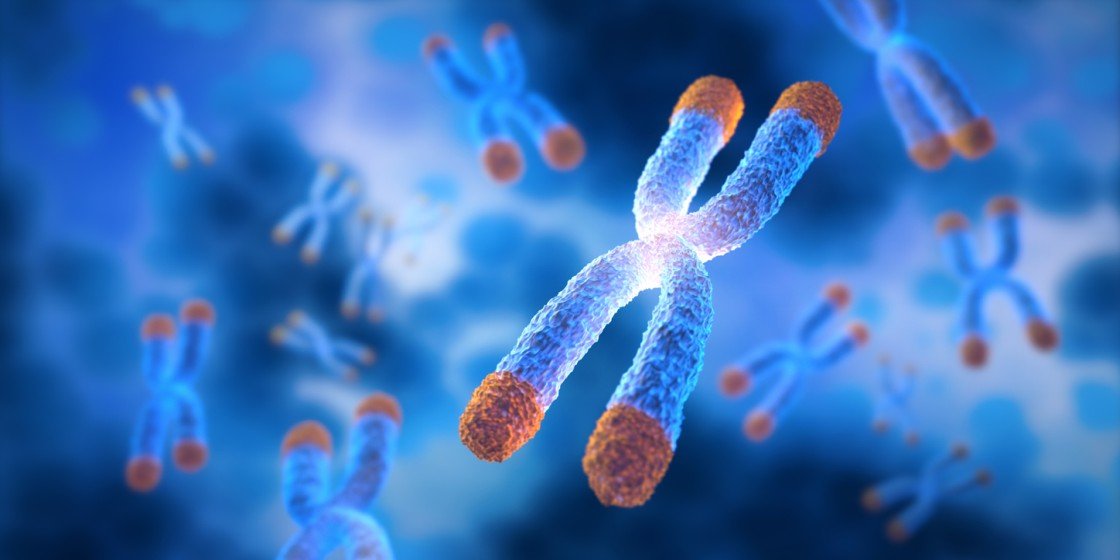
KED (also known as Vesugen) is a short synthetic peptide that has been investigated as a peptide bioregulator in cellular aging research. Much of the published work on KED originates from studies conducted by Khavinson and colleagues, who have explored its potential influence on cell differentiation, tissue maintenance, vascular biology, and neuronal function.
Experimental findings suggest that KED may influence gene expression associated with fibroblast differentiation, endothelial cell renewal, vascular signaling, neuronal development, and synaptic maintenance. Researchers have proposed that the peptide may help aging or stressed cells maintain characteristics associated with healthy, specialized cells rather than progressing toward age-related functional decline.
Research
KED Peptide and Cellular Differentiation
One of the earliest investigations into KED examined its potential effects on cellular differentiation in cultured fibroblasts. Researchers reported that KED may increase the expression of differentiation-associated proteins, including CXCL12 and WNT5A (reported in some publications as WEDC1), which are involved in maintaining specialized cellular function.
Interestingly, the observed response appeared to depend on cellular age. Young fibroblast cultures demonstrated relatively modest changes in these differentiation markers, whereas mature and aged cell cultures exhibited substantially greater increases. These findings suggest that KED may exert more pronounced biological activity in cells displaying characteristics of age-related decline.
The investigators proposed that KED may influence differentiation through epigenetic regulatory mechanisms, although the precise molecular pathways remain under investigation.
KED Peptide and Endothelial Cell Research
Several studies have explored KED’s potential influence on vascular endothelial cells, particularly in models of vascular aging.
Researchers observed that KED may increase expression of the MKI67 gene, which encodes the cellular proliferation marker Ki-67. Since Ki-67 expression typically declines as endothelial cells age, restoring its expression has become an area of interest in regenerative vascular biology.
Experimental findings demonstrated greater increases in Ki-67 expression in aged endothelial cells than in younger cultures. Tissue explants also exhibited measurable increases in growth area following peptide exposure, suggesting enhanced proliferative activity.
Additional molecular studies proposed that KED may interact with regulatory regions of the MKI67 gene, potentially supporting gene transcription and endothelial renewal in aging vascular tissue.
Other investigations have reported that KED may normalize the expression of several vascular signaling molecules, including:
- Endothelin-1
- Connexins
- Sirtuin-1 (SIRT1)
These observations suggest that KED may contribute to studies investigating vascular communication, endothelial integrity, and age-related vascular function.
KED Peptide and Neuronal Aging
KED has also been investigated in experimental models of neuronal aging and neurobiology.
Researchers reported increased expression of proteins associated with neuronal differentiation and plasticity, including Nestin and GAP-43, following peptide exposure. Both proteins are widely recognized as markers involved in neuronal development, axonal growth, and synaptic remodeling.
Experimental studies further suggested that KED may reduce the expression of cellular senescence markers p16 and p21, two proteins commonly associated with cell-cycle arrest and biological aging.
Additional observations demonstrated increased expression of several proteins involved in neuronal maintenance, including:
- SUMO1
- APOE
- IGF-1
Collectively, these findings suggest that KED may promote a gene-expression profile associated with neuronal maintenance, cellular resilience, and neuroplasticity in laboratory models.
KED Peptide and Synaptic Function
Research has also examined KED’s potential influence on synaptic architecture in experimental models of neurodegeneration.
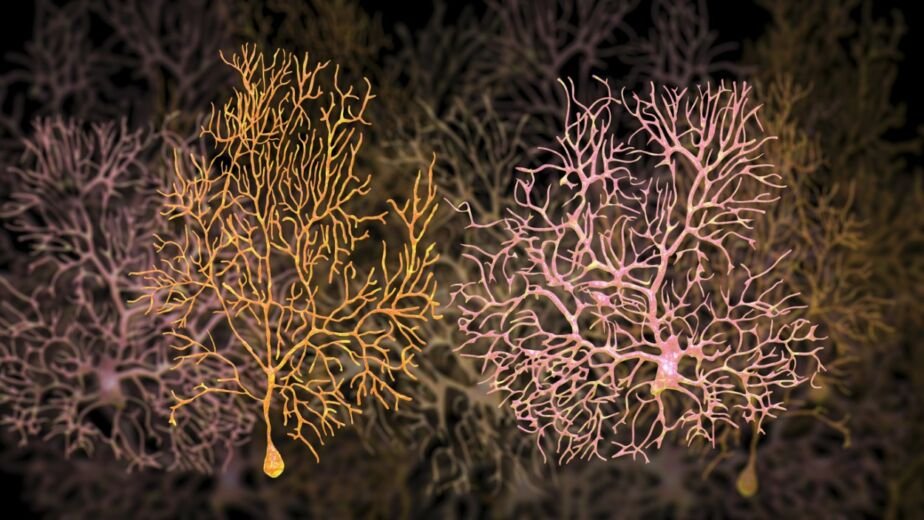
Investigators observed that KED may reduce dendritic spine loss within hippocampal neurons, with particular improvements noted in mature “mushroom” spines, structures that play an important role in synaptic communication.
Experimental data reported increases in overall dendritic spine density together with improvements in mushroom spine populations, bringing several measurements closer to those observed in healthy control cultures.
Researchers also noted a positive trend toward restoring long-term potentiation (LTP), a fundamental mechanism underlying synaptic plasticity, learning, and memory in experimental neuroscience.
Although these findings remain limited to laboratory research, they continue to support investigation of KED as a research tool for studying neuronal connectivity, synaptic maintenance, and cellular aging.
Note: KED peptide is supplied exclusively for laboratory research purposes. It is intended for in vitro and preclinical scientific investigation only and is not approved for human or veterinary use.


2 Comments
Bob Brown
Sed maximus felis vel ultrices lacinia. Curabitur ac quam eu risus lobortis malesuada nec sed nisl. In neque purus, vestibulum nec neque a, sollicitudin tempor lacus. Cras scelerisque finibus augue, sit amet tempor augue cursus condimentum. Pellentesque justo erat, placerat vel pharetra vel, hendrerit eget nisl.
Andrew Johnson
Donec rutrum nibh quis molestie blandit. Suspendisse id nisi at enim imperdiet convallis. Donec sodales tellus et leo sagittis, eu consectetur turpis porta. Phasellus diam quam, ullamcorper ut mattis varius, interdum vitae augue. Vestibulum pulvinar massa libero. Praesent ultrices dignissim tortor quis tincidunt. Vestibulum ac dignissim nibh.
Comments are closed.